
New York Criminal Record Sealing and Clean Slate
Call Now To Speak With Me Immediately
Sealed, Not Erased: How New York Actually Treats Old Records
New York seals criminal records; it does not expunge them. A sealed conviction still exists, but it disappears from the background checks most employers and landlords run. The one true exception is marijuana: qualifying marijuana convictions were expunged automatically under the 2021 legalization law and are treated as if they never happened. For every other conviction, the question is not whether your record can be erased. It is which of New York’s sealing routes applies to you, and whether it has actually happened yet.
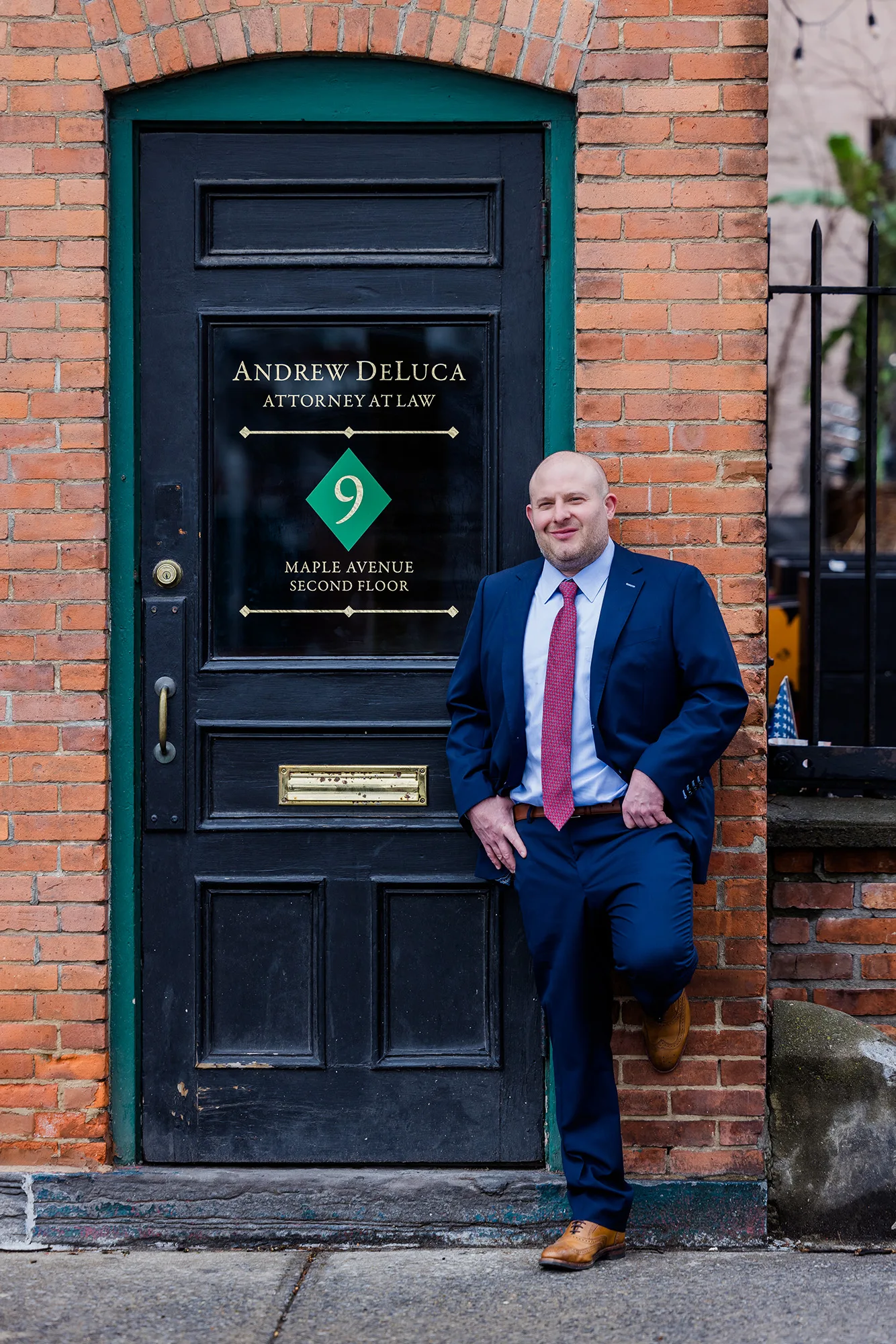
Attorney Andrew DeLuca reviews records and handles sealing petitions for clients across Saratoga, Warren, Washington, Fulton, and Montgomery Counties. To talk to Andrew directly, call 518-245-9109
Request A Free ConsultationRequest Your Free Consultation
Andrew will respond to you personally. Prefer to call? 518-245-9109
The Five Routes to a Sealed Record in New York
New York’s sealing rules are several different laws, each with its own eligibility and its own limits. In brief:
- Cases that ended in your favor (dismissal, acquittal): sealed automatically under CPL 160.50 when the case terminates.
- Non-criminal outcomes (violations like disorderly conduct, most traffic infractions): sealed automatically under CPL 160.55, with exceptions, most notably DWAI, which stays visible.
- Clean Slate automatic sealing (CPL 160.57): eligible misdemeanors after roughly three years and eligible felonies after roughly eight, automatically, with no application. Sex offenses requiring registration and class A felonies are excluded, except class A drug felonies, which Clean Slate can reach.
- Sealing by petition (CPL 160.59): after ten years, a court can seal up to two eligible convictions, at most one felony, on application. The district attorney gets 45 days to object, and the judge decides. Sex offenses, violent felonies, homicide felonies, and class A felonies are among the excluded offenses.
- Drug-treatment sealing (CPL 160.58): a conviction resolved through judicial diversion or a court-sanctioned treatment program can be conditionally sealed, along with up to three prior eligible drug misdemeanors. It unseals if you are arrested again.
Which route applies, and whether more than one does, depends on the conviction, the sentence, the date, and everything else on your record. That is the eligibility review.
Need Help?
When you call you'll be connected directly to Mr. DeLuca, not a receptionist or junior associate.
Clean Slate Is Law. Your Record May Not Show It Yet.
The Clean Slate Act took effect on November 16, 2024, and its sealing is automatic: no petition, no fee, no lawyer required to trigger it. But there is a catch that almost nobody explains. For the millions of convictions that predate the law, the court system was given up to three years, until November 2027, to complete the sealing work. Until your conviction is actually processed, it still appears on background checks, and the state’s own record reports still show it. Eligible on paper does not yet mean sealed in practice.
That gap is where legal help is worth its fee. A records review shows whether your conviction has actually been sealed. If it qualifies for a CPL 160.59 petition, the petition route may reach it on a schedule you control instead of waiting on the state’s backlog, and it produces a court order you can point to. And if a record that should be sealed is still being reported, that is a problem counsel can push to correct.
What Sealed Actually Means
Sealing hides the record from the checks that matter most: private employers, landlords, and the standard commercial background screens. It does not make the record vanish. Courts, prosecutors, and law enforcement keep access. So do firearm licensing officers and employers authorized to run fingerprint-based checks, including police and peace officer hiring and jobs working with children or vulnerable populations. A conviction sealed by petition still counts against you as a prior if you are ever prosecuted again. Anyone who promises a clean slate in the literal sense is overselling; what sealing delivers is a record that stops following you through ordinary life.
Start With What Your Record Actually Says
Every sealing strategy starts the same way: get your official criminal history from the Division of Criminal Justice Services through its Record Review program and read what is actually there. Convictions people assume are ancient history sometimes still report; matters people assume still show sometimes sealed years ago. Andrew reviews the record, tells you which routes genuinely apply, and gives you a straight answer when none do. No outcome is guaranteed in a discretionary petition, and he will not pretend otherwise.
Frequently Asked Questions
Record Sealing Questions
Want to know where your record stands? Call 518-245-9109 for a free consultation.
Request A Free ConsultationExperienced Representation In All Criminal Matters
Free Consultation Available Today